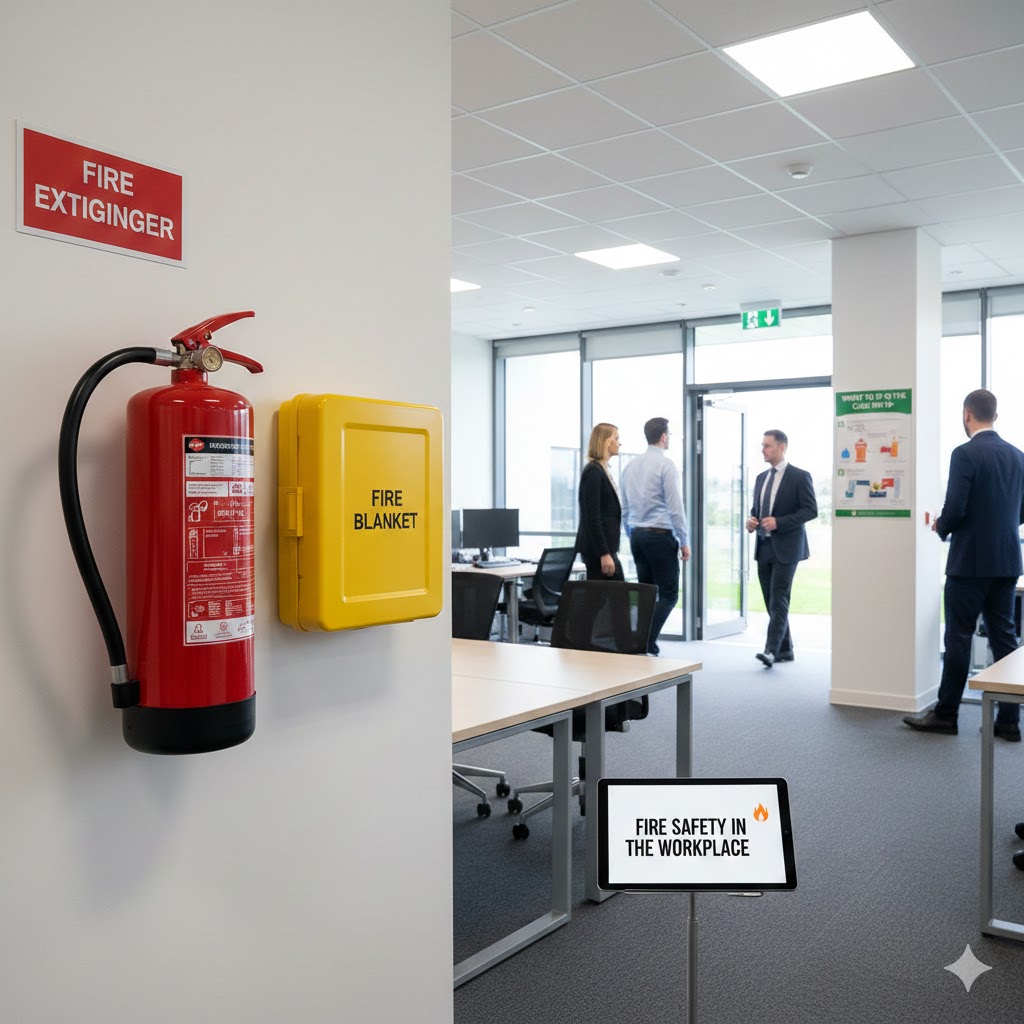
In recent years, occupational safety regulations in Georgia have become significantly stricter. The Labour Inspection Office actively monitors companies through both planned and unannounced inspections. Despite this, many organizations still treat safety as a formality rather than a real management system.
As a result, companies face heavy fines, work stoppages, and in some cases serious workplace accidents, which can lead to major financial and reputational damage.
Below are five of the most expensive occupational safety mistakes companies commonly make in Georgia.
1. Not Appointing an Occupational Safety Specialist
One of the most common mistakes is operating without a designated occupational safety professional.
Many companies believe that simply having some safety documents is enough. In reality, occupational safety requires a responsible person who manages and monitors the system.
Typical responsibilities include:
- Conducting risk assessments
- Monitoring workplace safety conditions
- Providing safety training and instructions to workers
- Communicating with labour inspectors
If a company cannot identify a responsible safety specialist during an inspection, this is considered a serious compliance issue.
2. Poor or Generic Risk Assessments
A risk assessment must reflect the real processes and hazards present in the workplace.
However, many companies rely on:
- Downloaded templates from the internet
- Risk assessments created for a completely different workplace
- Superficial or incomplete documentation
During an inspection, such documents often do not meet regulatory expectations.
For example, in construction environments, risk assessments should address hazards such as:
- Falls from height
- Moving machinery and equipment
- Electrical hazards
- Manual handling and heavy materials
Without a proper risk assessment, it becomes difficult to demonstrate that risks are being controlled.
3. Insufficient Worker Safety Instruction
Safety procedures are only effective if workers understand and follow them.
A frequent issue in many companies is that safety briefings exist only on paper.
Typical problems include:
- Safety instruction logs filled out formally but without real training
- Workers unaware of basic safety rules
- New employees starting work without proper induction
During inspections, labour inspectors often ask workers directly about safety rules and procedures. If workers cannot answer basic questions, it signals poor safety management.
4. Improper Use of Personal Protective Equipment (PPE)
One of the most visible safety violations is the absence or misuse of personal protective equipment.
Common examples include:
- Workers without safety helmets
- Working at height without fall protection
- Lack of protective footwear on construction sites
- No eye or hearing protection in hazardous environments
It is important to understand that purchasing PPE is not enough. Employers must also ensure that workers consistently use the equipment.
5. Disorganized and Unsafe Work Environment
Workplace safety often begins with basic organization and housekeeping.
During inspections, inspectors frequently identify issues such as:
- Improperly stored materials
- Electrical cables scattered across work areas
- Blocked or unsafe access routes
- Unprotected hazardous zones
These conditions significantly increase the risk of workplace accidents and regulatory penalties.
Conclusion
Ignoring occupational safety can become far more expensive than implementing it properly.
A well-functioning safety system typically includes:
- A qualified occupational safety specialist
- A realistic and site-specific risk assessment
- Regular worker safety training
- Proper use of personal protective equipment
- A well-organized and controlled work environment
Companies that approach safety systematically not only avoid fines but also reduce operational risks, prevent accidents, and protect their workforce.